Hydrangea care
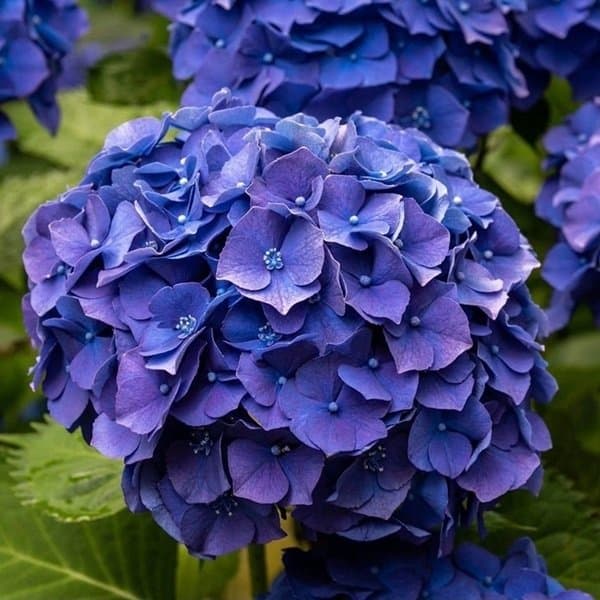
Hydrangea is a head, not a stem — a single flowering ball made of dozens of small florets. They drink heavily and dramatically, and they will reward you with a long display if you understand one trick.
Season
June–October
Vase life
Very long
Sourcing
Direct from growers
Difficulty
Moderate
How to care for them
Hydrangea drink through both the stem and the bloom — that is the trick. Re-cut the stem at a sharp angle. Then briefly dunk the flowering head itself in a sink of cool water before placing the stem in the vase. Tap out the excess and arrange. A generous reservoir of cool water matters; they are thirsty.
Mist the blooms with cool water in the morning. Top the vase up daily — hydrangea drink more than any other stem in a mixed bouquet. Keep out of direct sun. Hot rooms shorten the display dramatically.
If a head goes limp, fully submerge it (head and stem) in a sink of cool water for one hour. The florets drink directly through the petals and rehydrate. Re-cut the stem, return to a fresh vase. This trick works almost every time.
Common questions
Hydrangea drink heavily — both through the stem and through the flowering head itself. If they go limp, the bouquet has run dry or the room is too warm. The fix is to fully submerge the bloom in cool water for an hour, then re-cut and re-vase.
Fill a sink with cool water. Lay the entire flowering head (with the stem) in it and leave for an hour. The florets absorb water directly through the petals. Re-cut the stem at a sharp angle, return to a clean vase with plenty of fresh cool water.
Some florists swear by dipping the stem-end in alum (a styptic) before vasing — it can help the woody stem take up water. The Moyses studio finds the head-dunk technique more reliable and easier at home. Either is optional, neither is required.
Yes. Once the bouquet is past its fresh life, leave the hydrangea stems in the vase as the water evaporates — do not refill. They dry in place with the shape they had. The colour fades into vintage tones and the dried stem lasts months as decoration.
Yes, mildly. Hydrangea contains a compound that can cause gastrointestinal upset in cats, dogs, and horses if eaten in quantity. Keep the vase out of reach of pets that graze.
Hydrangea colour depends on the soil it was grown in — acidic soil produces blue, alkaline soil produces pink. Once cut, the colour is set, but blooms fade and shift slightly as they age, often deepening or going antique.
A long display with the right care: cool water topped up daily, misting in the morning, out of direct sun. Heat is the enemy. Every order is covered by our Stem freshness promise.
Pairs beautifully with