Clematis care
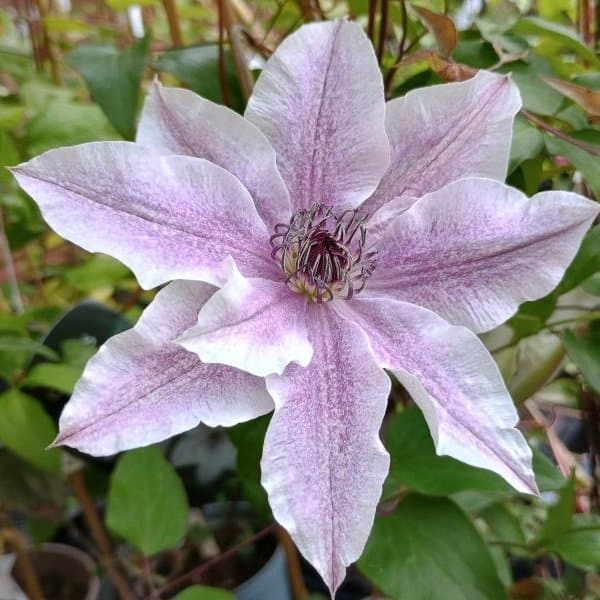
Clematis is the climber brought indoors — a trailing, large-flowered vine with a delicacy that asks for gentle hands. Used as a cut flower it lends a bouquet movement and a sense of the garden, a stem that drapes rather than stands.
Season
May–September
Vase life
Short
Sourcing
Direct from growers
Difficulty
Moderate
How to care for them
Handle clematis gently — the stems and flowers bruise easily. Re-cut at a sharp angle. Cool clean water in a clean vase, not too deep. Keep it somewhere cool from the moment it arrives.
Refresh the water every couple of days. Clematis is delicate and short-lived, so keep it cool and out of direct sun to get the most from it. Handle as little as possible once arranged.
Clematis is one of the more delicate stems and does not always recover from wilting. If it flags, re-cut and stand in cool water in the coolest spot in the house — but accept that the window is short by nature.
Common questions
A short display — clematis is delicate and short-lived as a cut flower. Cool water and a cool room get the most from it. The beauty is in the moment rather than the longevity. Every order carries our Stem freshness promise.
It is a climbing vine rather than a sturdy cut-flower stem, so the stems and large flowers bruise easily and lose water quickly. Gentle handling and cool conditions make the biggest difference.
Movement and a garden feel. Its trailing stems drape and soften an arrangement, lending the natural, just-gathered look prized in garden-style and bridal designs.
Purple, blue, white, pink and deep wine-red, often with contrasting centres. The purples and blues are the most distinctive — true blues being rare among cut flowers.
Clematis is at its best through the warmer months, roughly May to September. We source direct from growers to carry the best stems while the season allows.
Most cut clematis has little to no scent, though a few varieties carry a light fragrance. It is chosen mainly for its trailing form and colour.
No — clematis is mildly toxic to cats, dogs and horses if eaten, and the sap can irritate skin. Keep the vase out of reach of pets that graze on plants.
Pairs beautifully with