Viburnum care
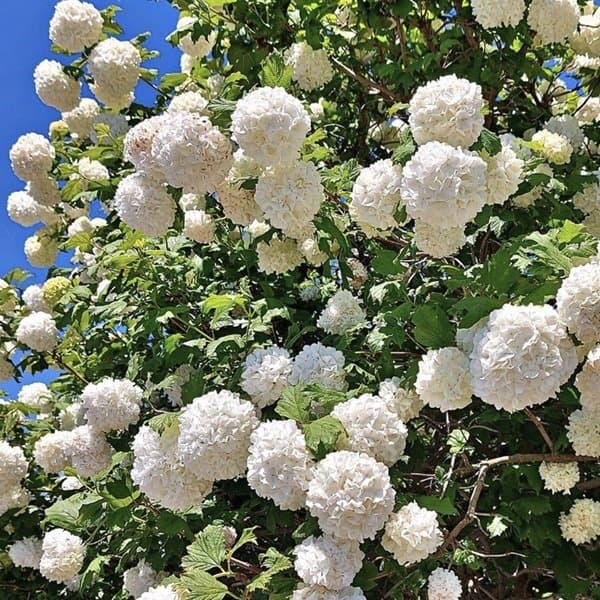
Viburnum brings fresh, apple-green spheres to the spring bouquet — clustered heads of tiny flowers on a woody stem, all soft volume and cool colour. It is one of the loveliest greens a florist can reach for, and it likes to drink.
Season
March–May
Vase life
Medium
Sourcing
Direct from growers
Difficulty
Moderate
How to care for them
Viburnum has a woody stem and drinks heavily — both matter. Re-cut the stem at a sharp angle to open up the uptake. Strip lower foliage. Get it into deep cool water quickly and keep the reservoir generous.
Top the water up daily — viburnum is among the thirstiest stems in a spring bouquet and wilts fast if it runs dry. Refresh fully every two days and re-cut the woody stem-end. Keep cool and out of direct sun.
A wilted head usually means the woody stem stopped drinking. Re-cut a fresh slice at a sharp angle, stand in deep cool water for an hour, and mist the head. It often revives if caught early.
Common questions
Viburnum has a woody stem and a thirsty head, so it can struggle to draw enough water if the cut closes over or the vase runs low. Re-cut at a sharp angle, keep the reservoir deep and full, and top up daily.
A medium display — several days when kept in deep cool water, re-cut regularly, and out of heat. It is more demanding on water than most stems, so the care makes a real difference. Every order carries our Stem freshness promise.
The fresh apple-green spheres are Viburnum opulus, often sold as "snowball" viburnum for the round flower heads. They start green and can age toward white, prized for their cool colour and soft volume.
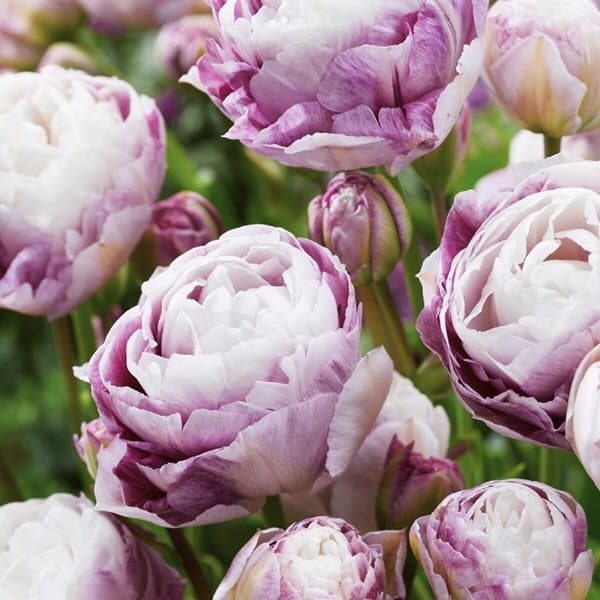
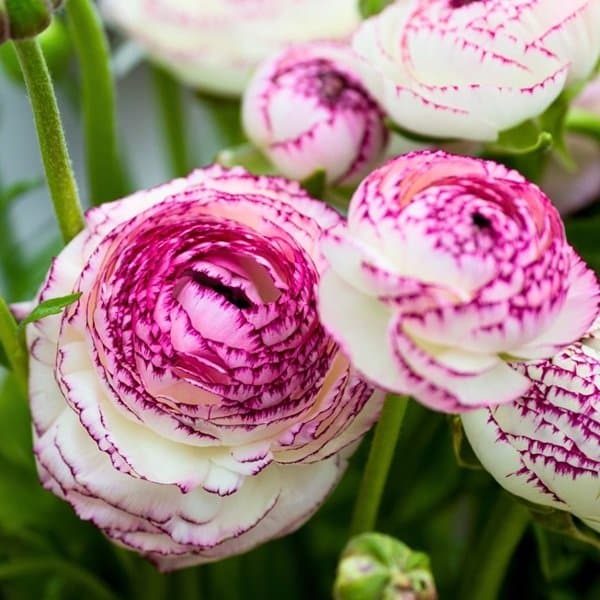
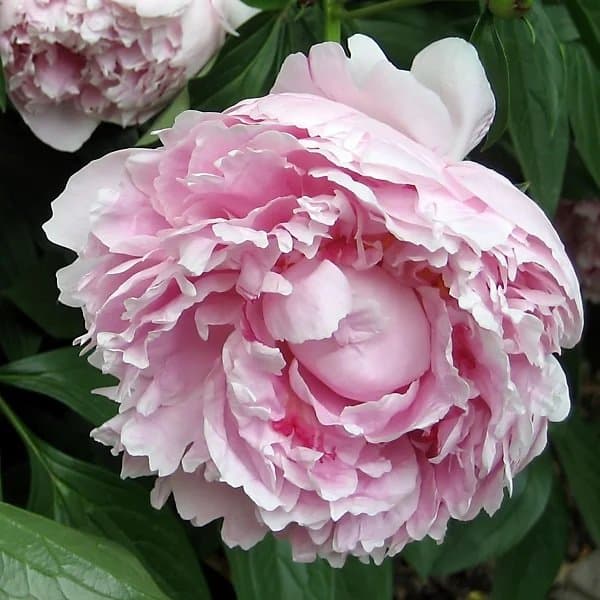
Soft volume and cool green colour. Its clustered heads fill an arrangement with a fresh, garden quality, working beautifully alongside spring flowers like tulips, ranunculus and peonies.
The green snowball viburnum is a spring flower, at its best roughly March to May. We source direct from growers to carry the strongest stems through the short season.
The green snowball variety has little scent, though some other viburnums are fragrant. It is chosen mainly for its colour and volume rather than fragrance.
Viburnum berries can cause mild stomach upset in cats and dogs if eaten, and are best kept away from grazing pets. The cut flowering stems are lower-risk, but as always do not encourage pets to chew them.
Pairs beautifully with