Anemone care
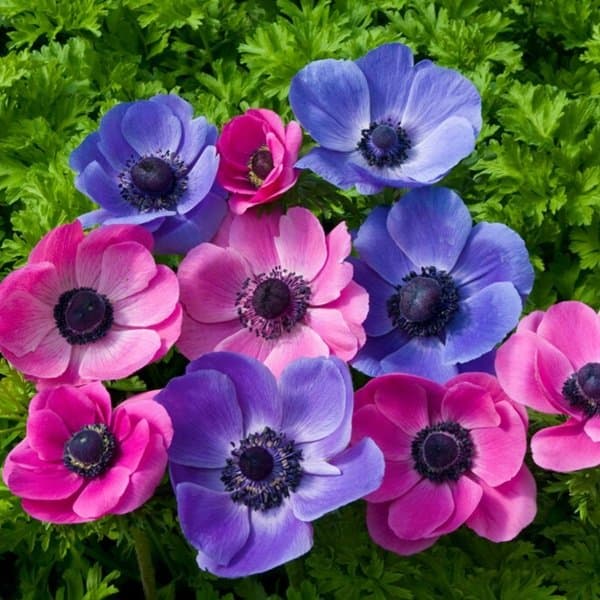
The anemone is moody and beautiful — a dark velvet centre ringed by clean papery petals. They prefer it cool, they keep moving, and they will reward a thoughtful spot in the house.
Season
November–May
Vase life
Medium
Sourcing
Direct from growers
Difficulty
Moderate
How to care for them
Re-cut each stem at a sharp angle. Place in cool, shallow water — anemones do not love deep water. They prefer the coolest spot in the house.
Watch the water level — anemones drink quickly. Top up daily. The stems keep growing and the flowers turn toward the light, so rotate the vase if you want a balanced display.
Quick wilters in warm rooms. If a bloom droops, move the vase to the coolest spot in the house overnight — often they recover by morning. Re-cut the stems and refresh the water at the same time.
Common questions
Several days with the right care — cool water, a cool room, daily top-ups. They are not as long-lived as lisianthus or garden roses, but the look is worth the shorter window. Every order is covered by our Stem freshness promise.
Anemones open in light and close in darkness — that is just what they do. Each morning they reopen. If they stay closed during daylight, it usually means the room is too cool or the stem is not drinking; re-cut and check the water.
Anemones dislike heat. Warm rooms, direct sun, and radiators shorten the display fast. Move the vase to the coolest spot in the house, top up the water, and they often recover overnight.
Mildly toxic to cats and dogs if eaten — can cause drooling, vomiting, and mild gastrointestinal upset. Keep out of reach of pets that graze.
No, almost none. Anemones are a visual flower. Pair with sweet pea, freesia, or stock if you want fragrance.
The dark centre is a cluster of stamens surrounding the seed-producing carpels — biologically it is a landing pad for pollinators. Aesthetically it is the signature of the flower. Some varieties (like Mistral) have an even darker, more velvet centre; others are softer.
Pairs beautifully with